Paver Sealing in South Florida: How Often Should You Reseal in Humid, Rainy Weather?

South Florida weather is beautiful, but it can be tough on pavers. Daily sun, sudden downpours, salty air, and sprinklers all work against color, joint sand, and traction. If you are wondering how often to schedule paver sealing in Delray Beach, you are not alone. This guide explains timing, warning signs, and what local conditions mean for your driveway, patio, and pool deck.
For a finish that sheds water, resists stains, and helps lock joints, many homeowners choose our paver sealing and repair service. If you are just starting your research, you can also learn more about paver sealing in Delray Beach, FL right from our home base and see why neighbors across Lake Ida, Tropic Isle, and Pineapple Grove trust Grime Be Gone LLC.
Why South Florida Climate Changes Reseal Timing
From June into fall, afternoon storms are common across Delray Beach. Puddles form, then the surface bakes again under strong sun. That cycle speeds up color fading and loosens joint sand. Add in coastal breeze and occasional salt spray, and even well-installed pavers take a beating.
Neighborhoods close to the Intracoastal or the ocean often see extra wear on pool decks and driveways because wind moves moisture and minerals onto the surface. West of I‑95, heavy irrigation can leave mineral film that bonds with grime and dulls the finish. In short, our climate shortens the life of many sealers, so a calendar from up north will not fit here.
- High UV levels fade pigments and dry out topical sealer films faster.
- Frequent rain can wash out joint sand and stress sealer at the edges.
- Irrigation overspray and hard water leave deposits that trap dirt.
- Pool chemicals and sunscreen create slick, stubborn spots on decks.
- Traffic from cars, grills, and furniture wears paths through the finish.
How Often Should You Reseal in Delray Beach, FL?
Most homes in Delray Beach benefit from resealing every 2 to 3 years. That interval protects color, discourages stains, and helps keep joints stable. Surfaces that see more stress may need attention sooner, while low-traffic, shaded patios can wait longer based on actual condition.
Use these local rules of thumb:
- Driveways near sprinklers or the coast: plan on 18 to 24 months.
- Sunny pool decks and lanai areas: around 2 years to keep traction steady.
- Shaded walkways or light-use courtyards: about 2 to 3 years, confirm by inspection.
Sealer chemistry matters too. Penetrating or two-part systems can outlast basic film-forming products, but exposure and use still set the pace. The best approach is to watch performance, not just the calendar.
Clear Signs Your Sealer Is Wearing Out
Before a finish completely fails, it sends signals you can spot in normal daylight. Catching these early helps protect your investment and keeps guests safe on wet surfaces.
Look for:
- Color that looks chalky or washed out, especially next to protected areas under furniture.
- Water that no longer beads on top but soaks in and darkens the surface.
- Joint sand sitting low, with weeds or ant trails creeping through.
- Whitening or hazy patches after rainy weeks, which can mean moisture under a failing coat.
- Slippery spots on pool decks, even after a professional cleaning.
For a deeper walkthrough of what each clue means, check our local guide on how to tell if your pavers need re-sanding, leveling, or sealing. It shows how sand loss, UV fade, and joint stability relate to your reseal timeline.
What Wears Out Sealer Faster in Coastal Neighborhoods
Coastal settings look amazing, but they change the math. Wind can carry salt and moisture onto the surface where it dries as a fine film. Sprinklers near driveways add rust and mineral stains. Pool decks in full sun face sunscreen residue and hot, wet cycles.
Coastal driveways and pool decks often need attention sooner because those factors degrade the top layer faster. The same is true of HOA walkways with heavy foot traffic or community entrances that see daily tire turns. If you are in Tropic Isle or near the beachside, watch the waterline side of patios and entries that funnel runoff during storms.
How Pros Stabilize Joints and Protect Color
Resealing in Delray Beach is about more than shine. A professional looks first at drainage and joint depth, because smooth water flow and solid interlock help your finish last. After the surface is properly cleaned and fully dried, joint sand is topped up and compacted so the field locks together. Then the right sealer is applied for your paver type and desired sheen.
Sealer will not fix base or leveling problems. If pavers rock or edges catch shoes, a pro levels first so water sheds correctly. Only then does sealing help hold joints in place and protect color. If other parts of your property need care at the same visit, our team can coordinate related pressure washing services around the best weather window.
Never layer new sealer over damp pavers. Trapped moisture can haze, peel, or turn slippery. In South Florida, short dry windows matter, which is why scheduling and cure time are key to a result that actually lasts.
Schedule Smart Around Rainy Season
Summer brings pop-up storms that can delay work or slow cure time. The ideal plan is to book during a clear stretch so joint sand can lock and the sealer can cure before the next downpour. That is especially important for driveways along Lake Ida Road and pool decks near the Intracoastal where afternoon storms form quickly.
Holidays and hurricane season can also compress schedules. If your surface shows early signs of wear, it is smart to reserve a spot before peak summer. Your pavers will thank you once the afternoon clouds build.
Reseal Timing by Surface and Use
Different areas age differently, even at the same home. Here is how usage patterns affect your reseal cycle:
- Driveways: Tire pivoting at turns scuffs the finish. If sprinklers reach the apron, iron and hard water marks return faster after cleanings.
- Pool Decks: Chlorinated water and sunscreen can slick the surface and stain lines near coping. Consistent traction matters most in these areas.
- Walkways and Entries: Shaded, damp paths grow algae in joints first. That is often the earliest sign that sand depth is too low.
- Patios and Courtyards: Furniture movement creates wear paths. Under tables you may see richer color that shows how UV works elsewhere.
If you are unsure which surfaces should go first, a quick on-site review will sort it out. Grime Be Gone LLC can prioritize areas and plan a schedule that keeps curb appeal high while protecting joints where washout starts.
Avoid Common Pitfalls
Good results come from good prep, correct chemistry, and the right weather window. Shortcuts can create problems that are hard to undo.
Do not over-seal. Too much product can trap moisture, turn cloudy, and get slick when wet. Also, mixing incompatible products can cause peeling. When in doubt, let a pro evaluate the current finish and choose a system that fits your stone and exposure.
Remember that reseal frequency is not about the shiniest look on day one. It is about long-term protection against UV fade, sand loss, and joint movement so your hardscape stays safe and attractive through storm season and beyond.
Your Next Step in Delray Beach
If the finish no longer beads water, if color looks washed out, or if joints sit low and sprout weeds, it is time to talk. You can review service details on professional paver sealing and then schedule a visit that fits your calendar.
When you call Grime Be Gone LLC, you get a local team that understands our weather rhythms and coastal wear patterns. We serve communities across Delray Beach and nearby South Florida neighborhoods with care that fits the season, the surface, and your goals.
Ready to Protect Your Pavers?
Protect your driveway, patio, or pool deck with a finish built for our climate. Call 561-660-0844 to book an on-site assessment with Grime Be Gone LLC, or schedule your paver sealing appointment now. We will help you choose the right timing and a finish that keeps your pavers looking great through South Florida’s heat and rain.
Gallery
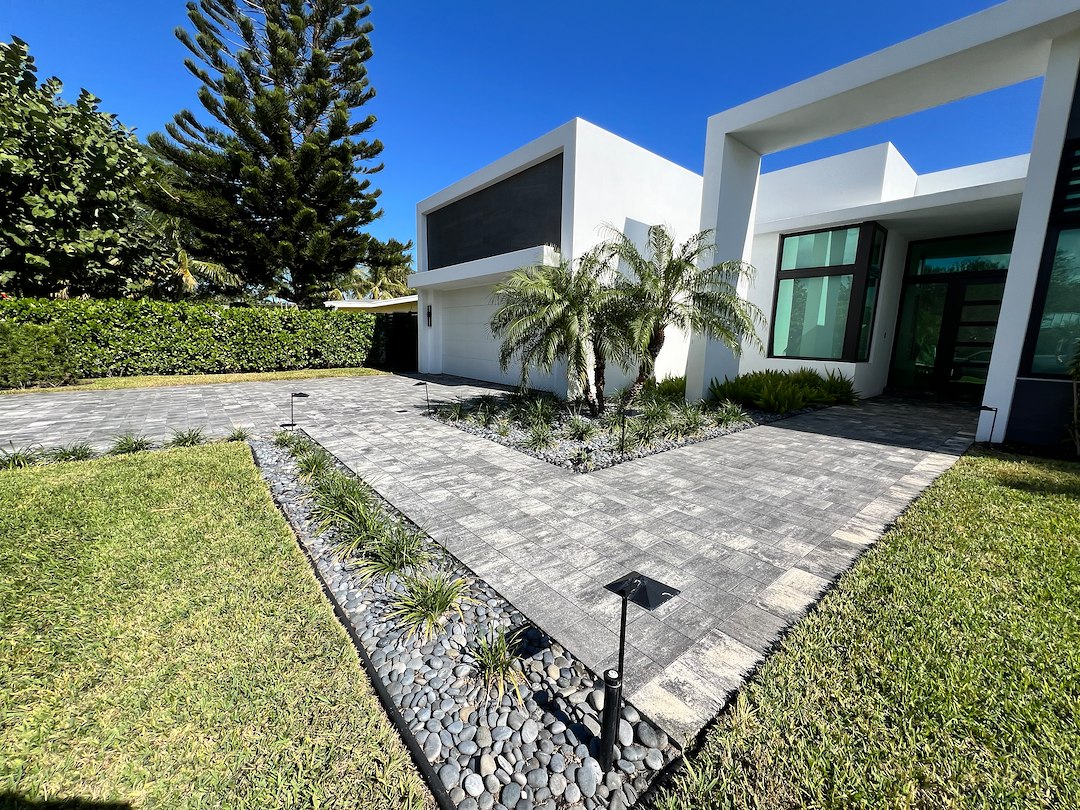
Paver Sealing in Delray Beach
Our valued customer reached out to us to discuss how we could properly protect and maintain their pavers. The driveway and pool deck were installed a few years ago and they want to preserve their investment. The process starts by removing all organic staining such as […]
See This Project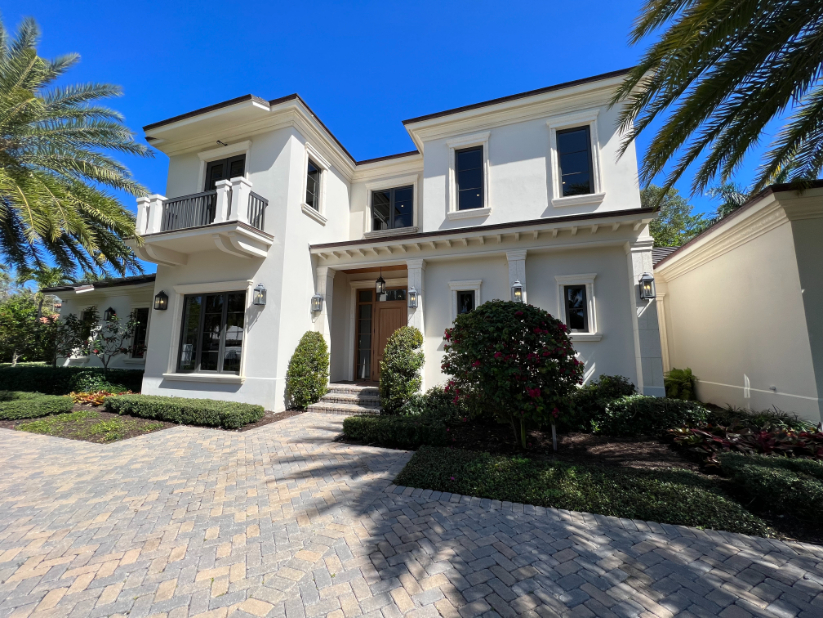
Window Cleaning in Delray Beach, FL
Our valued customer contacted us because they wanted to list their home on the market. We quickly got them an estimate and scheduled service. Our cleaning process was able to get both the inside and outside windows free of dirt, dust, algae and any other […]
See This ProjectRECENT ARTICLES
-
Florida Soft Washing vs Pressure Washing: How to Clean Stucco Without Causing Water Damage
Florida homes face salt air, heavy rain, and long stretches of heat and humidity. That mix breeds algae and mildew on stucco and tile roofs. The right way to clean these delicate surfaces is not blasting them with high pressure. It is controlled soft washing that […]
-
Why Delray Beach Humid Weather Destroys Paver Sand (and How to Fix It)
If your driveway or pool deck in Delray Beach looks wavy, sprouts weeds, or feels loose underfoot, humidity and storms are likely to blame. In our subtropical climate, daily moisture, salty air, and sudden afternoon downpours work together to wash out joint sand fast. That is […]