Florida Soft Washing vs Pressure Washing: How to Clean Stucco Without Causing Water Damage
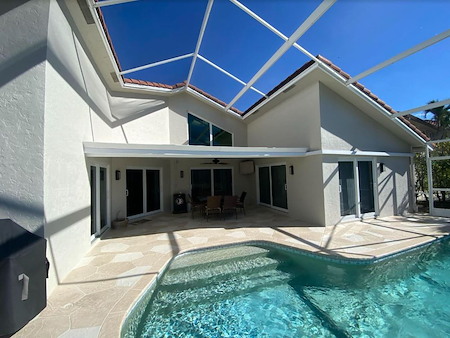
Florida homes face salt air, heavy rain, and long stretches of heat and humidity. That mix breeds algae and mildew on stucco and tile roofs. The right way to clean these delicate surfaces is not blasting them with high pressure. It is controlled soft washing that keeps water out of your walls, protects roof underlayment, and restores curb appeal. If you are comparing methods, this guide explains the why and how. For a deeper look at the process and results, explore our professional house washing service page as you read.
Soft washing is different because it uses low pressure and targeted cleaners to do the hard work. In Florida, that matters. Our coastal winds drive rain sideways. Our summer storms come fast. Water will find the weakest point in old stucco or under tile edges if you force it with a high PSI stream. Understanding that risk is the first step to protecting your home.
Why Soft Washing Beats Pressure Washing On Florida Stucco
Traditional pressure washing relies on force. It strips surface grime, but it can also open hairline cracks, blow off finish coats, and push water behind stucco. Florida’s textured stucco is often porous. When you spray at high PSI, water travels through tiny voids and settles inside wall cavities. That moisture can swell the brown coat, cause paint to spot, and feed new mold growth within days.
Soft washing solves the root cause. A low-pressure system lays down a controlled blend that loosens and lifts organic growth. The solution dwells long enough to break the bond. Then a gentle rinse clears the surface without driving water into the structure. The result is a cleaner finish and a drier, healthier wall system.
The Science Behind Soft Washing: Under 300 PSI With Biodegradable Surfactants
Think of mildew like a plant with roots gripping the stucco texture. High pressure snaps off the top but leaves roots trapped in the pores. Soft washing uses chemistry to unhook those roots so the rinse can carry them away. A specialized, low-pressure delivery system applies solution at under 300 PSI, which is closer to a strong garden spray than a cutting jet. That pressure level is gentle enough for stucco, paint, window seals, and clay or concrete tile.
Surfactants are the secret helpers. They reduce surface tension so the solution wets evenly and slides into tiny crevices where spores hide. The cleaners used in a professional soft wash are formulated to target organic staining from algae, mold, and mildew. When paired with time and a light rinse, you get a thorough clean without erosion.
Use biodegradable surfactants designed for stucco and landscaping. Your technician should pre-wet plants, control runoff, and neutralize overspray near sensitive foliage. This method cleans better and respects Florida’s environment and waterways.
What High Pressure Does To Stucco And Tile Roofs In Florida
High pressure is risky on older Florida stucco and tile roofs. On walls, a narrow spray can gouge the finish coat and widen hairline cracks. Once water is inside the system, it can blister paint, rust lath, and weaken the bond between layers. On roofs, a harsh stream lifts tiles, breaks edges, and floods the underlayment. That trapped water bakes under the sun, then leaks with the next storm.
- Stucco spalling: top coat flakes off in small chips after forceful washing.
- Water intrusion: damp spots around window corners and light fixtures days after cleaning.
- Roof damage: loosened tile caps and displaced ridge mortar that appear after a high PSI wash.
Never use high PSI on stucco or tile; it forces water behind the surface and leads to hidden damage. A soft wash keeps cleaning power where it belongs: on the surface, not inside the structure.
Florida tip: wind-driven rain is common, especially near the Gulf and Atlantic coasts. Any cleaning method that drives water upward or sideways into cracks can mimic storm conditions and create leaks. A true soft wash controls direction, pressure, and runoff to prevent this risk.
Pre-Cleaning Inspection Checklist To Prevent Water Intrusion
Before any exterior cleaning, ask your technician to walk the property with you. A careful inspection lowers risk and sets clear expectations about what soft washing can and cannot do. Use this checklist to guide the conversation and to document conditions.
- Windows and doors: confirm caulk is intact around frames, sills, and transoms. Flag any gaps or dried, brittle sealant.
- Stucco cracks: mark hairline cracks, popped control joints, and hollow-sounding patches that could allow water entry.
- Light fixtures and outlets: check gaskets and covers. Loose trim rings or missing seals are common leak points.
- Roof edges: note lifted tiles, missing ridge caps, and open flashing near walls, chimneys, or solar mounts.
- Attic and garage ceilings: look for existing stains that could confuse a post-cleaning moisture check.
- Landscape grading: make sure soil and mulch slope away from walls to avoid pooling during the rinse.
Ask for recorded pressure readings under 300 PSI during the wash. A reputable company will document nozzle selection, distance from the surface, and rinse technique. These details matter because they protect your stucco and prove the job followed best practices.
How A Florida Soft Wash Service Should Be Performed
The process should be methodical and gentle from start to finish. A trained crew protects outlets, masks sensitive hardware, and shields landscape as needed. They apply solution from the bottom up on walls to avoid streaks, then allow a set dwell time so the chemistry can work. On tile roofs, they start at the ridge and move downward, keeping flow with gravity so water cannot run under the tiles.
Rinse control is key. The crew should angle the spray so water runs off the face of the wall and not into vents, louvers, or under window weeps. Corners, stucco bands, and decorative foam are treated with extra care. If a spot needs more attention, the answer is a second light application, not more force.
To see what a professional approach looks like in practice, review how we prepare, protect, and rinse during our soft wash house washing service. The same careful steps apply across Florida’s mix of coastal, inland, and lakefront homes.
Florida Climate Factors: Why Timing And Method Matter
Timing helps the clean last longer. Spring often brings pollen and fresh algae growth that show up as green films on the north and east sides of homes. Summer adds daily showers that rinse salts from the air but also feed mildew. Late summer and fall can bring tropical systems with heavy, wind-driven rain that tests seals and roof edges. Winter is drier, which helps surfaces cure after cleaning.
Plan your soft wash around these cycles. Cleaning just before the wettest months gives your stucco a fresh start and slows regrowth. Homes near bays and inlets may need shorter intervals because salt and moisture are constant. Inland neighborhoods often see streaks where sprinklers hit walls. Soft washing targets those mineral-tinged algae lines without scarring the finish.
Choosing A Florida Soft Washing Company You Can Trust
Look for training, transparency, and process control. A trustworthy provider explains their chemistry, shows you the actual pressure settings, and protects your plants and pool surfaces. They will inspect problem areas first and set boundaries around fragile trim, aging paint, or patched stucco. If a wall needs repair, they recommend fixing it before washing rather than risking water entry.
Ask how they handle runoff and overspray, especially near waterways and salt-sensitive plants. Request proof of insurance and written steps for roof work. Crews should use safe access, protect gutters, and avoid walking excessively on tile to prevent cracks. For more about our approach and standards, start at our Florida soft washing overview and explore how we serve homeowners statewide with care and consistency.
Signs Your Stucco Or Roof Needs Gentle Cleaning
You do not need to wait for dark streaks to take over before acting. Regular soft washing keeps stains from setting deep and preserves your finish longer. The following signs tell you it is time to schedule a visit:
- Shadows or green haze under windows, at hose bibs, or where sprinklers hit the wall.
- Black streaks or lichen on tile ridges and shaded roof valleys.
- Powdery residue when you run a finger across the wall, showing oxidation and trapped grime.
These conditions are normal in Florida’s climate. Soft washing removes the growth and lifts the residue without harming the stucco texture or tile glaze.
Protecting Landscaping And Outdoor Living Spaces
Florida yards are part of the living space, and they deserve the same care. A good crew will pre-wet turf and plants, bag or cover delicate flowers, and adjust solution strength around citrus, palms, and tropicals. Pool decks, screen enclosures, and outdoor kitchens also need protection. The team should isolate these areas, control spray angle, and rinse thoroughly toward approved drains.
After the rinse, your property should feel fresh and safe to enjoy. Walk the site with your technician, ask where they started and finished, and note any areas they treated twice. Good documentation makes future cleanings even smoother.
Moisture Verification After The Wash
When the job is complete, a quick moisture check can confirm that the method kept water out. Pros may use a non-invasive meter on suspicious areas near window corners or patched stucco. If readings are elevated, they can pause and ventilate before moving on to the next section. This step is another reason soft washing works so well. Lower pressure leaves fewer surprises behind the surface.
Your Next Step To A Cleaner, Safer Florida Home
Soft washing protects the structure and beauty of your stucco and tile while standing up to Florida’s climate. It cleans deeper, lasts longer, and avoids the costly side effects of high pressure. When you are ready to schedule or want a friendly walk-through at your home, our team is here to help. For trusted Florida soft washing, call Grime Be Gone LLC at 561-660-0844.
If you prefer to research a bit more, you can compare methods, materials, and our preparation steps by revisiting our detailed page on professional house washing. It covers process, surfaces, and the careful rinse control we use across the Florida peninsula.
Gallery

Paver Sealing in Delray Beach
Our valued customer reached out to us to discuss how we could properly protect and maintain their pavers. The driveway and pool deck were installed a few years ago and they want to preserve their investment. The process starts by removing all organic staining such as […]
See This Project
Window Cleaning in Delray Beach, FL
Our valued customer contacted us because they wanted to list their home on the market. We quickly got them an estimate and scheduled service. Our cleaning process was able to get both the inside and outside windows free of dirt, dust, algae and any other […]
See This ProjectRECENT ARTICLES
-
Florida Soft Washing vs Pressure Washing: How to Clean Stucco Without Causing Water Damage
Florida homes face salt air, heavy rain, and long stretches of heat and humidity. That mix breeds algae and mildew on stucco and tile roofs. The right way to clean these delicate surfaces is not blasting them with high pressure. It is controlled soft washing that […]
-
Why Delray Beach Humid Weather Destroys Paver Sand (and How to Fix It)
If your driveway or pool deck in Delray Beach looks wavy, sprouts weeds, or feels loose underfoot, humidity and storms are likely to blame. In our subtropical climate, daily moisture, salty air, and sudden afternoon downpours work together to wash out joint sand fast. That is […]