How to Tell If Your Pavers Need Re-Sanding, Leveling, or Sealing

In coastal Delray Beach, FL, sun, salt air, and heavy afternoon rains can take a toll on your patio, driveway, and pool deck. If you’re noticing joint washout, shifting pavers, weeds, or dull color, it may be time to call a pro for paver sealing and repair.
Below, you’ll learn simple, visual ways to spot what your hardscape really needs so you can protect your investment and keep every step safe for family and guests.
What Delray Beach Weather Does to Pavers
South Florida’s rainy season brings quick downpours that can flush joint sand, feed weed growth, and leave behind puddles that settle into soft spots. Sea breeze and high UV also fade color faster than most places, and irrigation overspray can leave mineral stains that trap grime.
If your home sits near neighborhoods like Lake Ida, Tropic Isle, or Pineapple Grove, you’ve felt these patterns: bright sun in the morning, storms by late afternoon. That cycle is tough on joints and sealer films, especially around pool cages and driveway edges where water concentrates. For routine exterior care beyond your pavers, a local pressure washing team can help your whole property stand up to the elements.
Signs You Need Re-Sanding: Joint Washout and Weeds
Joint sand locks pavers in place and helps shed water. When it erodes, everything around it works harder and wears faster.
- Gaps between bricks that look hollow or V-shaped instead of flush and tight.
- Loose grit tracking onto the surface after storms, plus sprouts of crabgrass or tiny weeds.
- Ant trails or small mounds pushing up through the joints.
When you see these, the surface may also feel “chattery” underfoot. That’s the early stage of movement. Don’t ignore missing joint sand, because movement invites more washout and lets weeds get established.
Signs You Need Leveling: Shifting Pavers and Trip Edges
Leveling issues are about safety as much as looks. Watch for these telltales around driveway entries, walkway transitions, and the border of a pool deck:
- Edges that catch your shoe or stroller wheels, even a quarter inch high.
- Pavers that rock when you step on them or sound hollow compared to the rest.
- Puddles that keep reappearing in the same spots after a normal rain.
In Delray Beach’s sandy soils and along older curb cuts, water flow can slowly carve out bedding sand. A professional will lift affected stones, true up the base, and re-seat the field so the surface drains evenly and trip edges disappear.
Signs You Need Sealing: Fading, Stains, and Water Behavior
Sealer protects color, resists stains, and helps hold joint sand in place. You’re likely due for sealing if you notice:
• Color that looks chalky or washed out compared to protected areas under furniture or pots.
• Rust or irrigation marks that come back quickly after cleaning.
• Water that soaks in and darkens the stone instead of beading on top.
Another red flag is whitening or hazy patches under older sealer, especially after wet weeks. That can be moisture trapped beneath a failing coating. Never apply new sealer over a damp surface; trapping moisture can cause peeling, blotches, and slippery spots. If you’re seeing these symptoms, ask about deep cleaning, joint stabilization, and professional sealing as a complete service through paver sealing and repair.
How Pros Diagnose the Right Fix
It starts with a close look at how the surface sheds water and how stable the field feels. A trained tech from Grime Be Gone LLC will check joint depth, tightness at borders, and high-traffic wear near driveways, lanais, and gate entries. They’ll also note shade patterns from palms or the house that can speed algae growth.
Expect a straightforward plan that may include re-sanding washed joints, lifting and leveling sunken areas, and applying the right sealer sheen for your look and traction needs. The goal is a system approach, not a quick shine that fades by the next storm.
Re-Sanding vs. Leveling vs. Sealing: What Comes First
Sequence matters. If pavers are uneven, a pro levels first so water drains the way it should. Next, joints are topped up and compacted so the field interlocks firmly. Sealing comes after the surface has fully dried, which helps stabilize the sand and keeps stains from setting deep.
Think of it like a foundation, frame, then finish. Fix the base, lock the structure, then protect it.
Local Clues You Can Trust
Because our area gets intense afternoon rain from June through October, joint washout is common along driveway aprons and screen door thresholds where water funnels. Pool decks in sun-heavy spots fade faster on the waterline side. North-facing walkways that stay damp will grow algae in the joints first, which is a sign sand is low and holding moisture.
If you’re in communities west of I‑95 like Sherwood Park or near the beachside, salty air plus sprinklers can leave stubborn film. That’s another hint you’re due for cleaning and fresh protection.
What a Professional Finish Should Look Like
After a proper service, joints will sit just below the top edge of each paver, tight and consistent. The surface should feel solid with a natural texture, not glassy. Water should bead and move off quickly. Color will look richer but not plasticky, and traction should feel comfortable even around a wet pool.
Most homeowners also notice a cleaner edge line along borders and curbs. That’s because stabilized joints resist wash lines from gutters, downspouts, and driveway runoff.
Common Misconceptions to Avoid
Sealer isn’t a bandage for loose or sunken pavers. It protects the surface and helps hold good joints in place, but it won’t fix base issues or eliminate trip edges. Likewise, simply topping joints without addressing drainage means you’ll likely see the same washout after a few storms.
Another myth is that more gloss equals more protection. Sheen is a look; the protection comes from proper prep, the right chemistry for your stone, and careful cure time.
When To Call a Pro in Delray Beach, FL
If you can slide a car key into a joint more than a quarter inch, if a shoe “clips” an edge, or if water no longer beads on the surface, it’s time. A professional visit is quick, and you’ll get clear next steps with a plan that fits your home’s materials and exposure.
When you’re ready for a safe, lasting result, bring in the local team that handles everything from surface prep to final seal. The experts at Grime Be Gone LLC are nearby, know our weather rhythms, and stand behind the work.
Ready to protect your investment and make your walkways safer? Call Grime Be Gone LLC at 561-660-0844 to schedule a professional assessment today.
How to Tell If Your Pavers Need Re-Sanding, Leveling, or Sealing
In coastal Delray Beach, FL, sun, salt air, and heavy afternoon rains can take a toll on your patio, driveway, and pool deck. If you’re noticing joint washout, shifting pavers, weeds, or dull color, it may be time to call a pro for paver sealing and repair.
Below, you’ll learn simple, visual ways to spot what your hardscape really needs so you can protect your investment and keep every step safe for family and guests.
What Delray Beach Weather Does to Pavers
South Florida’s rainy season brings quick downpours that can flush joint sand, feed weed growth, and leave behind puddles that settle into soft spots. Sea breeze and high UV also fade color faster than most places, and irrigation overspray can leave mineral stains that trap grime.
If your home sits near neighborhoods like Lake Ida, Tropic Isle, or Pineapple Grove, you’ve felt these patterns: bright sun in the morning, storms by late afternoon. That cycle is tough on joints and sealer films, especially around pool cages and driveway edges where water concentrates. For routine exterior care beyond your pavers, a local pressure washing team can help your whole property stand up to the elements.
Signs You Need Re-Sanding: Joint Washout and Weeds
Joint sand locks pavers in place and helps shed water. When it erodes, everything around it works harder and wears faster.
- Gaps between bricks that look hollow or V-shaped instead of flush and tight.
- Loose grit tracking onto the surface after storms, plus sprouts of crabgrass or tiny weeds.
- Ant trails or small mounds pushing up through the joints.
When you see these, the surface may also feel “chattery” underfoot. That’s the early stage of movement. Don’t ignore missing joint sand, because movement invites more washout and lets weeds get established.
Signs You Need Leveling: Shifting Pavers and Trip Edges
Leveling issues are about safety as much as looks. Watch for these telltales around driveway entries, walkway transitions, and the border of a pool deck:
- Edges that catch your shoe or stroller wheels, even a quarter inch high.
- Pavers that rock when you step on them or sound hollow compared to the rest.
- Puddles that keep reappearing in the same spots after a normal rain.
In Delray Beach’s sandy soils and along older curb cuts, water flow can slowly carve out bedding sand. A professional will lift affected stones, true up the base, and re-seat the field so the surface drains evenly and trip edges disappear.
Signs You Need Sealing: Fading, Stains, and Water Behavior
Sealer protects color, resists stains, and helps hold joint sand in place. You’re likely due for sealing if you notice:
• Color that looks chalky or washed out compared to protected areas under furniture or pots.
• Rust or irrigation marks that come back quickly after cleaning.
• Water that soaks in and darkens the stone instead of beading on top.
Another red flag is whitening or hazy patches under older sealer, especially after wet weeks. That can be moisture trapped beneath a failing coating. Never apply new sealer over a damp surface; trapping moisture can cause peeling, blotches, and slippery spots. If you’re seeing these symptoms, ask about deep cleaning, joint stabilization, and professional sealing as a complete service through paver sealing and repair.
How Pros Diagnose the Right Fix
It starts with a close look at how the surface sheds water and how stable the field feels. A trained tech from Grime Be Gone LLC will check joint depth, tightness at borders, and high-traffic wear near driveways, lanais, and gate entries. They’ll also note shade patterns from palms or the house that can speed algae growth.
Expect a straightforward plan that may include re-sanding washed joints, lifting and leveling sunken areas, and applying the right sealer sheen for your look and traction needs. The goal is a system approach, not a quick shine that fades by the next storm.
Re-Sanding vs. Leveling vs. Sealing: What Comes First
Sequence matters. If pavers are uneven, a pro levels first so water drains the way it should. Next, joints are topped up and compacted so the field interlocks firmly. Sealing comes after the surface has fully dried, which helps stabilize the sand and keeps stains from setting deep.
Think of it like a foundation, frame, then finish. Fix the base, lock the structure, then protect it.
Local Clues You Can Trust
Because our area gets intense afternoon rain from June through October, joint washout is common along driveway aprons and screen door thresholds where water funnels. Pool decks in sun-heavy spots fade faster on the waterline side. North-facing walkways that stay damp will grow algae in the joints first, which is a sign sand is low and holding moisture.
If you’re in communities west of I‑95 like Sherwood Park or near the beachside, salty air plus sprinklers can leave stubborn film. That’s another hint you’re due for cleaning and fresh protection.
What a Professional Finish Should Look Like
After a proper service, joints will sit just below the top edge of each paver, tight and consistent. The surface should feel solid with a natural texture, not glassy. Water should bead and move off quickly. Color will look richer but not plasticky, and traction should feel comfortable even around a wet pool.
Most homeowners also notice a cleaner edge line along borders and curbs. That’s because stabilized joints resist wash lines from gutters, downspouts, and driveway runoff.
Common Misconceptions to Avoid
Sealer isn’t a bandage for loose or sunken pavers. It protects the surface and helps hold good joints in place, but it won’t fix base issues or eliminate trip edges. Likewise, simply topping joints without addressing drainage means you’ll likely see the same washout after a few storms.
Another myth is that more gloss equals more protection. Sheen is a look; the protection comes from proper prep, the right chemistry for your stone, and careful cure time.
When To Call a Pro in Delray Beach, FL
If you can slide a car key into a joint more than a quarter inch, if a shoe “clips” an edge, or if water no longer beads on the surface, it’s time. A professional visit is quick, and you’ll get clear next steps with a plan that fits your home’s materials and exposure.
When you’re ready for a safe, lasting result, bring in the local team that handles everything from surface prep to final seal. The experts at Grime Be Gone LLC are nearby, know our weather rhythms, and stand behind the work.
Ready to protect your investment and make your walkways safer? Call Grime Be Gone LLC at 561-660-0844 to schedule a professional assessment today.
Gallery
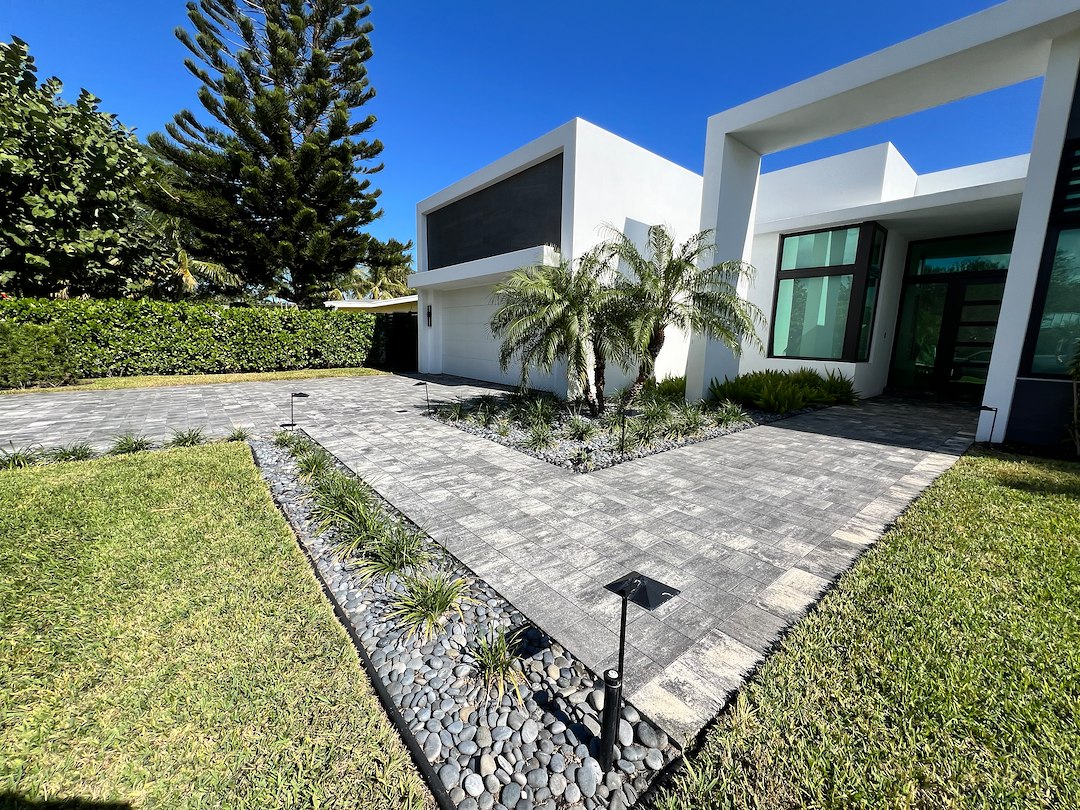
Paver Sealing in Delray Beach
Our valued customer reached out to us to discuss how we could properly protect and maintain their pavers. The driveway and pool deck were installed a few years ago and they want to preserve their investment. The process starts by removing all organic staining such as […]
See This Project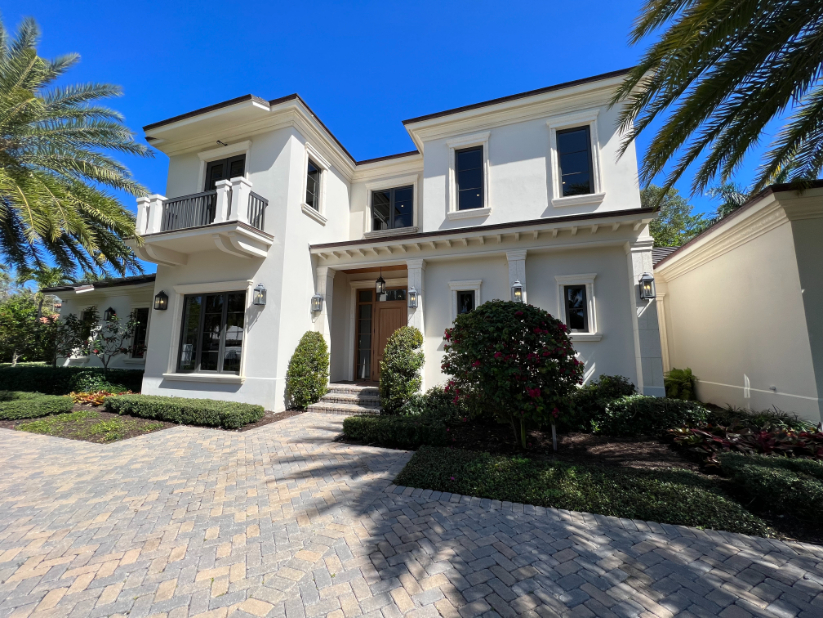
Window Cleaning in Delray Beach, FL
Our valued customer contacted us because they wanted to list their home on the market. We quickly got them an estimate and scheduled service. Our cleaning process was able to get both the inside and outside windows free of dirt, dust, algae and any other […]
See This ProjectRECENT ARTICLES
-
Florida Soft Washing vs Pressure Washing: How to Clean Stucco Without Causing Water Damage
Florida homes face salt air, heavy rain, and long stretches of heat and humidity. That mix breeds algae and mildew on stucco and tile roofs. The right way to clean these delicate surfaces is not blasting them with high pressure. It is controlled soft washing that […]
-
Why Delray Beach Humid Weather Destroys Paver Sand (and How to Fix It)
If your driveway or pool deck in Delray Beach looks wavy, sprouts weeds, or feels loose underfoot, humidity and storms are likely to blame. In our subtropical climate, daily moisture, salty air, and sudden afternoon downpours work together to wash out joint sand fast. That is […]